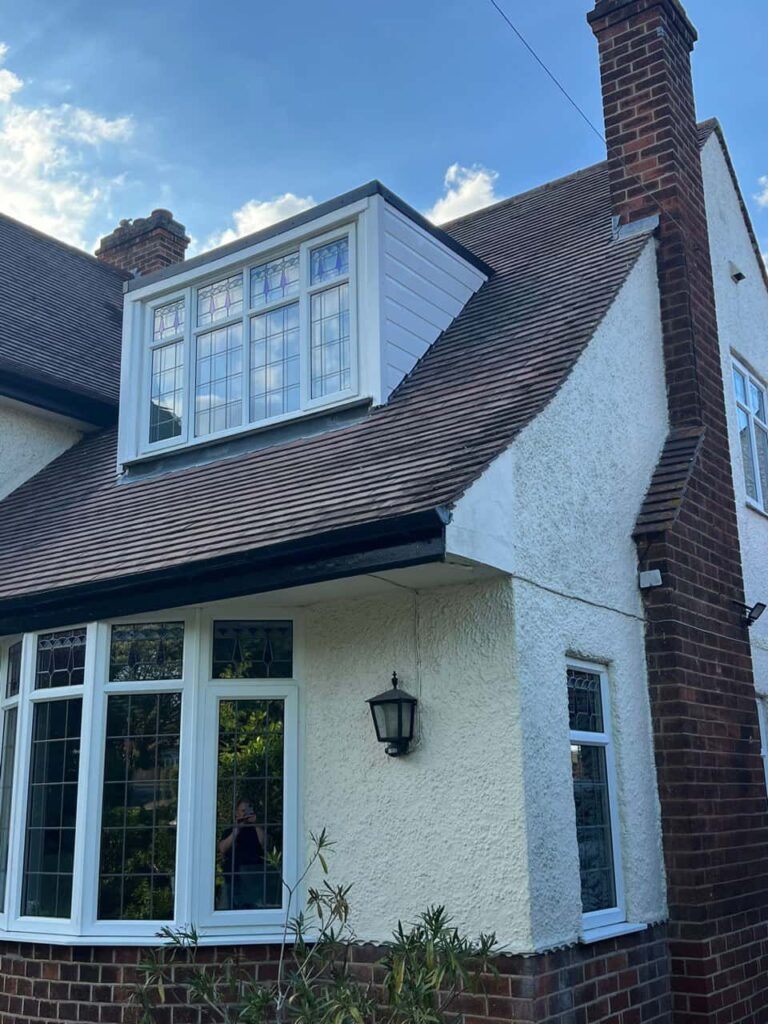
Lead flashing is an important part of a roof’s weatherproofing system. It seals vulnerable joints where roofing materials meet walls, chimneys and other structures, helping direct rainwater away from areas where leaks can develop. Although lead is durable and flexible, it can still become damaged, loosen over time or fail where the surrounding materials deteriorate.
For homeowners in Hassocks, West Sussex, recognising the early signs of lead flashing damage can help prevent minor defects from developing into persistent roof leaks. Hassocks Roofing Repairs provides professional roofing services to identify flashing problems and carry out suitable repairs to protect your property.
Why Is Lead Flashing Important for Your Roof?
Lead flashing creates a protective seal around roof junctions that are particularly vulnerable to water ingress. It is commonly installed around chimney stacks, where a roof meets an adjoining wall, and at other points where different roofing surfaces connect.
These junctions require careful detailing because rainwater can enter through even small gaps. Properly installed flashing directs water back onto the roof covering, allowing it to drain away rather than penetrate the underlying structure.
Over time, weather exposure, building movement and deterioration of adjoining materials can affect the flashing’s performance. Regular inspections and timely repairs help maintain a reliable barrier against moisture.
Common Signs of Damaged Lead Flashing
1. Cracks or Splits in the Lead
Lead flashing can develop cracks through repeated movement, temperature changes and material fatigue. These defects may be small initially, but they can create openings through which rainwater enters the roof.
Splits are particularly concerning around chimney stacks and roof junctions, where the flashing must accommodate movement between different materials.
If cracking is widespread or the lead has become weakened, patching the visible defect may not provide a lasting solution. A roofing specialist can assess the affected section and determine whether a localised repair or replacement is more appropriate.
2. Loose or Lifted Flashing Edges
Flashing should sit securely against the surrounding surfaces. If its edges lift or become displaced, gaps may form that allow wind-driven rain to enter.
Loose flashing can result from deteriorating mortar, failed fixings, poor installation or movement around the roof junction. Strong winds may make the problem worse, particularly when the material is already loose.
Look for visible gaps or uneven edges from a safe position on the ground. Avoid trying to push the lead back into place yourself, as working on a roof can be dangerous and the underlying defect may need attention.
3. Crumbling Mortar Around Chimneys
Lead flashing around a chimney is often secured into joints in the masonry. Over time, mortar can crack, loosen or crumble because of weather exposure and natural deterioration.
When the mortar fails, the flashing may no longer form a secure seal against the chimney stack. Rainwater can then pass behind the lead and enter the roof space.
Effective repairs may involve renewing defective mortar joints, securing the flashing or replacing damaged sections. Checking both the lead and the surrounding masonry helps ensure the repair addresses the actual cause of the leak.
4. Damp Patches and Water Stains Indoors
One of the clearest signs of flashing problems is water appearing inside the property. You may notice brown stains on ceilings, damp patches around chimney breasts or moisture in the loft after rainfall.
However, the point where water becomes visible indoors is not always directly beneath the defect. Water can travel along roof timbers or beneath roofing materials before reaching a ceiling or wall.
A professional inspection can help distinguish flashing problems from other possible causes, such as damaged tiles, defective roof valleys or blocked drainage.
5. Repeated Leaks Around the Same Roof Junction
If a leak returns after previous repairs, the underlying flashing problem may not have been fully resolved. For example, sealing a visible gap without addressing deteriorating mortar or displaced lead may only provide temporary relief.
Repeated leaks can gradually affect timber, insulation and internal finishes, making it important to identify the source rather than repeatedly treating the symptoms.
Hassocks Roofing Repairs can assess recurring roof leaks and determine whether the flashing, surrounding materials or another part of the roof requires attention.
What Causes Lead Flashing to Deteriorate?
Several factors can contribute to flashing damage, including:
- Weather exposure: Rain, wind and temperature changes place ongoing demands on roof junctions.
- Material fatigue: Repeated movement can cause lead to weaken and develop cracks.
- Building movement: Small changes in the roof or adjoining masonry can place stress on flashing.
- Poor installation: Incorrect overlaps, unsuitable detailing or inadequate fixing can allow water to enter.
- Neglected maintenance: Small defects may worsen when they remain undetected for long periods.
Understanding the cause is essential because replacing or resealing the visible section alone may not prevent the same problem from returning.
When Should You Arrange Lead Flashing Repairs?
You should arrange a professional assessment if you notice loose flashing, visible cracks, deteriorating mortar or signs of water ingress around a chimney or roof joint.
Prompt attention is especially important when a leak appears after heavy rainfall or when damp patches continue to return. If water is entering the property, avoid disturbing the affected roof area yourself and arrange an inspection as soon as practical.
Not all flashing defects require complete replacement. Minor, localised damage may be repairable, while extensive cracking, weakened lead or widespread deterioration may require more substantial work. The right approach depends on the condition of the flashing and the surrounding roof structure.
Professional Lead Flashing Repairs in Hassocks
Effective flashing repairs require careful inspection of the lead, its fixings and the adjoining materials. A roofer can identify gaps, assess the condition of mortar joints and check whether nearby roof coverings are contributing to the problem.
Hassocks Roofing Repairs provides roofing support for property owners in Hassocks, West Sussex, helping identify defects and recommend suitable remedial work. Addressing the cause of flashing failure can help restore the roof’s weather resistance and reduce the risk of recurring leaks.
Conclusion
Damaged lead flashing can allow rainwater to enter around chimney stacks, roof joints and adjoining walls. Cracked lead, lifted edges, crumbling mortar, damp patches and recurring leaks are all signs that an inspection may be needed.
Identifying these problems early can help prevent further moisture damage and maintain the condition of your roof. If you suspect your lead flashing is damaged, contact Hassocks Roofing Repairs to arrange a professional assessment and discuss the most suitable repair for your property in Hassocks, West Sussex.
Call us on: 01273 071 192
Click here to find out more about Hassocks Roofing Repairs
Click here to complete our contact form and see how we can help with your roofing needs.