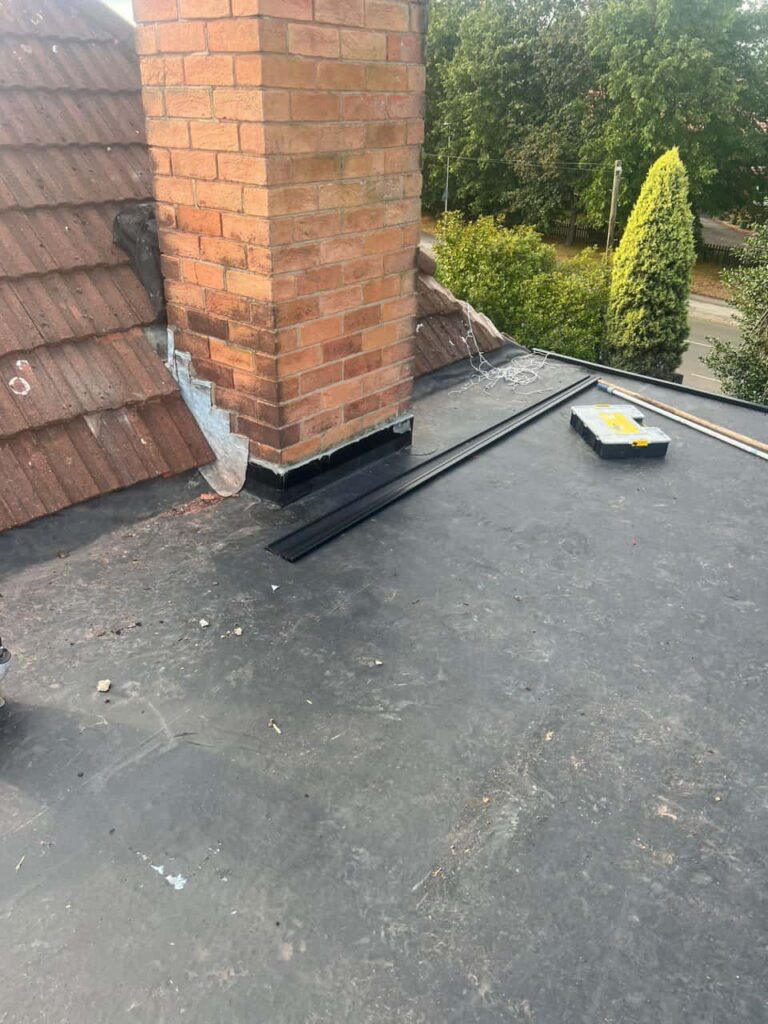
Roof repairs are an important part of maintaining a safe and weather-resistant home. From replacing damaged tiles to fixing leaks and repairing flashing, addressing individual roofing problems can often restore protection without requiring extensive work. However, there comes a point when repeated repairs may no longer provide a reliable long-term solution.
Recognising when a roof has deteriorated beyond the point of effective repair can help homeowners make informed decisions and prevent further damage to their property. For residents in Hassocks, West Sussex, understanding the warning signs can make it easier to determine whether their roof needs more than another localised fix.
1. Roof Leaks Keep Returning
An occasional leak does not necessarily mean an entire roof needs replacing. In many cases, water ingress can be traced to a specific issue, such as a cracked tile, damaged flashing or a failed seal.
However, if leaks continue to appear after previous repairs, it may indicate that the roofing system is deteriorating more extensively. Multiple areas of water penetration can suggest that the roof covering, underlay or supporting components are no longer providing adequate protection.
Look out for recurring damp patches, water stains on ceilings, peeling paint and moisture within the loft. When these problems keep returning, a more comprehensive roofing assessment is recommended.
2. Multiple Roof Tiles Are Damaged or Deteriorating
Roof tiles naturally experience wear through years of exposure to rain, wind and temperature changes. Replacing a small number of broken or slipped tiles is usually straightforward, but widespread deterioration presents a different challenge.
Warning signs include:
- Numerous cracked, chipped or missing tiles.
- Repeated slipping or displacement across different roof sections.
- Tiles showing significant surface erosion.
- Deteriorating mortar around ridge tiles.
- Frequent damage following periods of poor weather.
When these problems affect large sections of the roof, replacing individual tiles may only provide temporary improvements. A professional inspection can establish whether the remaining materials are suitable for continued use or whether replacement is the more appropriate option.
3. You Are Constantly Arranging Further Repairs
A roof that requires occasional maintenance is not necessarily a cause for concern. However, repeated problems involving different sections of the same roof may indicate that its overall condition is declining.
For example, repairing a leak in one area may resolve the immediate issue, only for another section to develop damaged flashing or loose tiles shortly afterwards.
This pattern can suggest that the roof has reached a stage where individual repairs are no longer addressing the underlying deterioration.
Rather than treating every fault separately, it is important to assess the roofing system as a whole. This helps determine whether further repairs are worthwhile or whether more extensive work would provide better long-term protection.
4. The Roof Structure Is Showing Signs of Sagging
A noticeable dip or uneven section along the roofline should never be ignored. Sagging can indicate problems with the supporting structure, including weakened rafters, damaged roof timbers or prolonged exposure to moisture.
Water penetration over an extended period can gradually affect structural components, particularly when leaks remain undetected.
Other warning signs may include:
- Uneven roof sections visible from outside.
- Sagging areas within the loft.
- Deteriorating or damp roof timbers.
- Visible changes in the roofline.
Structural concerns require professional investigation. Simply replacing damaged tiles will not resolve problems affecting the supporting framework, and more extensive repairs or roof replacement may be necessary.
5. The Underlay and Supporting Components Have Deteriorated
The visible roof covering is only one part of a complete roofing system. Underlay, battens, flashing and other supporting components all contribute to keeping a property protected from the elements.
As these materials age, they can become weakened, damaged or less effective. Deteriorating underlay, for example, may allow moisture to reach the roof structure even when the external tiles appear relatively intact.
If several underlying components are failing, repairing the visible surface alone may not provide a dependable solution.
A thorough roof inspection can help identify hidden deterioration and establish how much of the existing roofing system can realistically be retained.
6. The Roof Is Approaching the End of Its Useful Lifespan
All roofing materials have an expected service life, although actual durability depends on installation quality, maintenance, material type and exposure to the weather.
An older roof is not automatically unsuitable for further repairs. However, when age is combined with recurring leaks, widespread material deterioration and frequent maintenance requirements, it may indicate that the roof is approaching the end of its useful life.
Homeowners should consider the overall condition rather than relying on age alone. A professional assessment can help determine whether the existing roof still has sufficient serviceable life or whether replacement should be considered.
7. Internal Water Damage Is Becoming More Noticeable
When roofing problems remain unresolved, their effects can gradually become visible inside the property.
Damp ceilings, peeling plaster, mould growth and persistent musty smells may all indicate ongoing moisture penetration. These symptoms can develop even when the original roofing defect appears relatively small.
If internal damage continues despite previous roofing work, it is important to establish whether the source of the problem has been correctly identified.
A professional roofing specialist can investigate the affected areas and determine whether the problem requires more extensive repairs or a complete replacement.
How Hassocks Roofing Repairs Can Help
Deciding whether roof repairs are still sufficient requires more than identifying visible damage. The condition of the roof covering, underlying materials, supporting structure and previous repair work all need to be considered.
Hassocks Roofing Repairs provides roofing assistance to homeowners in Hassocks, West Sussex, helping identify roofing defects and determine the most appropriate course of action. Whether your property needs targeted repairs or a more extensive roofing solution, a professional assessment can provide a clearer understanding of its condition.
The aim is to address the underlying problems rather than repeatedly treating the same symptoms.
Conclusion
Roof repairs remain an effective way to maintain a property, but they are not always a permanent solution. Recurring leaks, widespread tile deterioration, repeated repair requirements, structural sagging and failing underlay can all indicate that a roof needs more extensive attention.
Understanding these warning signs allows homeowners to take action before roofing problems cause further disruption. If your roof in Hassocks, West Sussex, is showing signs of ongoing deterioration, contact Hassocks Roofing Repairs to arrange a professional assessment and find out whether repairs are still sufficient or a replacement may be necessary.
Call us on: 01273 071 192
Click here to find out more about Hassocks Roofing Repairs
Click here to complete our contact form and see how we can help with your roofing needs.